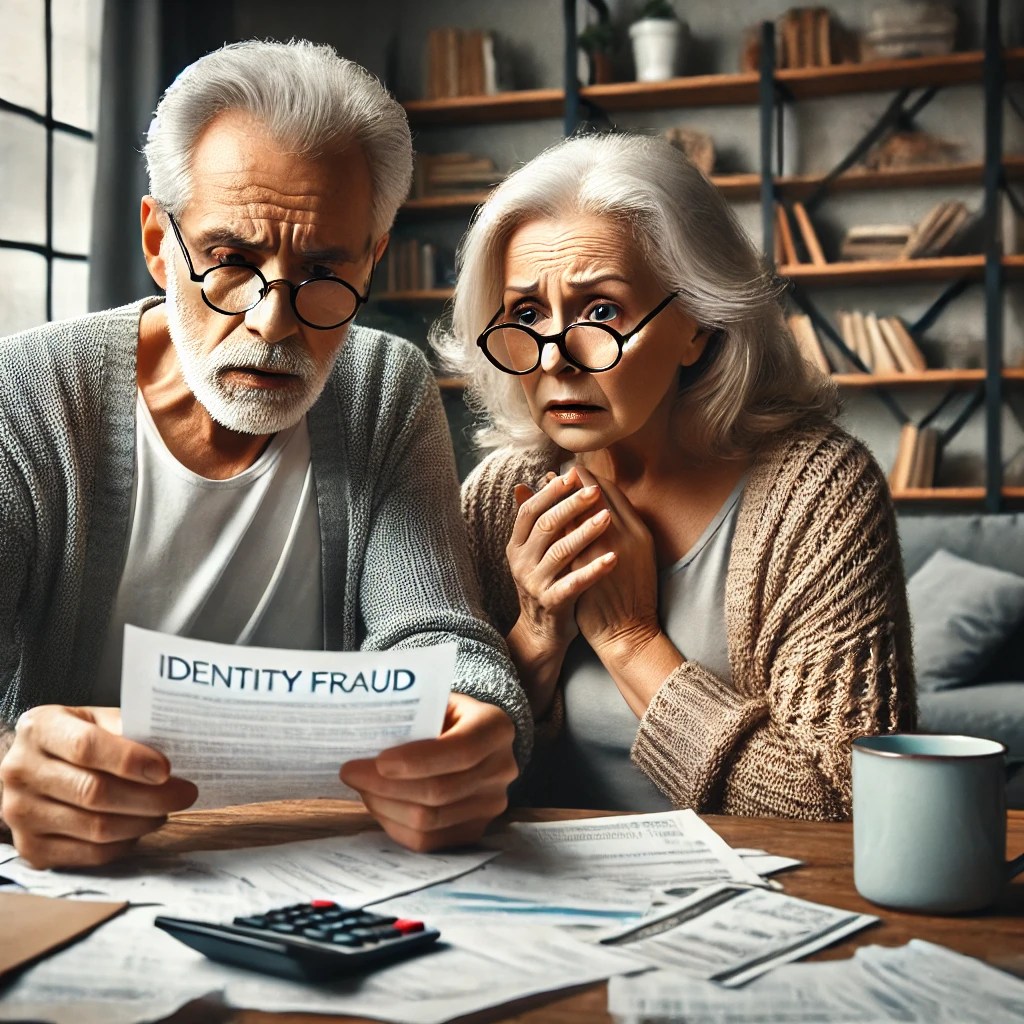
Protecting an aging parent from identity fraud is essential in today’s digital age. Here are ten strategies to help safeguard their personal information:
Monitor Financial Accounts: Regularly review bank and credit card statements for any unusual or unauthorized transactions.
Credit Freezes: Place a freeze on their credit with the major credit bureaus (Equifax, Experian, and TransUnion) to prevent new accounts from being opened in their name without permission.
Secure Personal Information: Ensure that personal documents such as Social Security cards, birth certificates, and financial statements are stored securely, preferably in a locked drawer or safe.
Shred Sensitive Documents: Use a shredder to destroy any documents containing personal information before discarding them to prevent dumpster divers from obtaining sensitive data.
Educate on Scams: Inform your parent about common scams targeting seniors, such as phishing emails, fake IRS calls, and lottery scams, so they can recognize and avoid them.
Use Strong Passwords: Ensure they use strong, unique passwords for online accounts and consider using a password manager to keep track of them.
Enable Two-Factor Authentication: Activate two-factor authentication (2FA) on their online accounts for an extra layer of security.
Check Credit Reports: Obtain and review their credit reports regularly to detect any suspicious activity or unauthorized accounts.
Opt-Out of Pre-Approved Credit Offers: Reduce the risk of mail theft by opting out of pre-approved credit card and insurance offers through the official opt-out website or by calling 1-888-5-OPT-OUT.
Limit Sharing of Personal Information: Encourage them to be cautious about sharing personal information over the phone, online, or through the mail unless they are certain of the recipient’s legitimacy.
These combined measures can significantly reduce the risk of identity fraud and help safeguard their personal and financial information.
 Relationships and Communication
Leave a comment